
Shining Nikki-Fashion Makeover
PapergamesRole Playing
4.13.29K Reviews
- Version
- 7.0.2608247
- Installs
- 1.00M
- Age Rating
- Teen
Screenshots

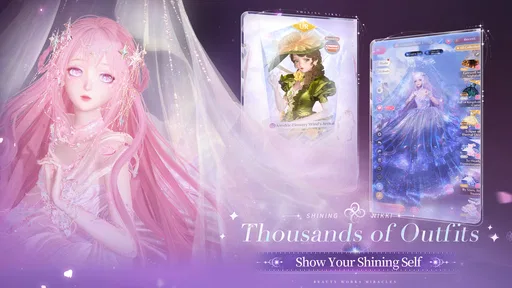
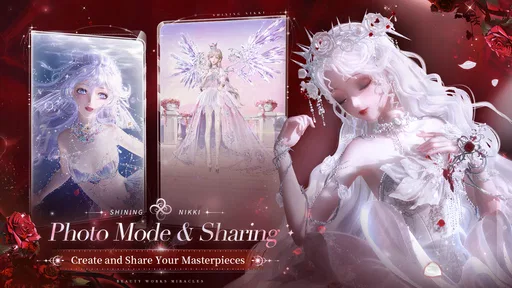
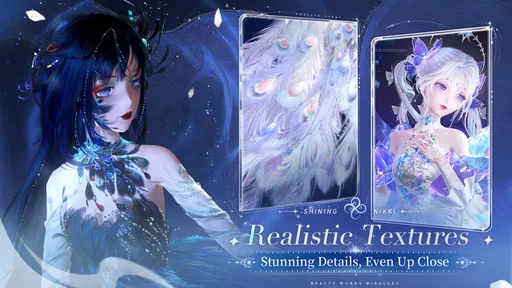
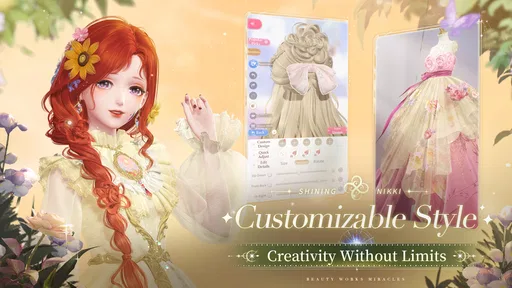

Our Review of Shining Nikki-Fashion Makeover
 Analysis by Appyee
I first approached Shining Nikki-Fashion Makeover as a dress-up game, expecting the usual cycle of changing outfits, taking screenshots, and moving on. What surprised me was how much of the experience depends on making choices rather than simply collecting pretty clothes. The role-playing structure gives the fashion theme a little more purpose, while the presentation makes even a short session feel like a small creative project.
That makes it interesting for a shared household device. One person can enjoy styling characters, another can follow the story and battles, and someone else may simply like arranging looks and viewing the results. Still, it is not a game I would hand to every family member without a conversation first. It is free to start, rated Teen, and includes optional purchases ranging from $0.99 to $99.99 per item. Those details matter more when the game is used on a device that several people can access.
How the game feels in everyday use
In my experience, the best way to enjoy Shining Nikki is in focused bursts. I can open it when I have enough time to work through a story segment, improve a look, or deal with the next set of challenges. It is less satisfying when I treat it as a quick two-minute distraction, because the appeal comes from seeing how styling decisions connect with the wider role-playing progression.
A realistic household scenario would be a shared tablet in the evening. One person might use it to play through a chapter, then leave the device for another family member who wants to experiment with outfits. That arrangement can work, but only if everyone understands whose progress is being used and whether the same account is being opened. The game is much easier to enjoy when each player has a clear turn instead of changing decisions made by someone else.
The visual focus is obvious, but I would not describe the game as a simple digital wardrobe. The role-playing layer gives the clothing choices context, and the player has reasons to think about what to use rather than selecting items at random. I found that this encourages a more deliberate approach: I look at the situation, consider the available styling options, and then decide whether I want the most practical result or a look that feels more personal.
That distinction is important for people comparing it with ordinary dress-up apps. A basic makeover app may be better if the goal is instant, low-pressure customization. Shining Nikki is a better fit if you want fashion to sit inside a larger game loop. The trade-off is that it asks for more attention and patience than a purely decorative alternative.
What makes the styling worthwhile
The strongest part of the experience is the feeling that styling is an active decision. I do not just choose an outfit because it looks attractive; I also think about how it fits the current challenge and the mood I want the character to convey. That gives the clothing collection more value than a gallery of disconnected items.
One useful habit is to avoid spending all your attention on the most eye-catching piece. A dramatic item can dominate the screen, but a balanced combination often feels more satisfying and may suit the situation better. I get better results when I first decide on the overall direction, then adjust smaller details instead of repeatedly rebuilding the entire look.
Another practical tip is to treat screenshots or finished looks as a creative endpoint, not the only reason to play. If I chase visual perfection every time, the process becomes slower and more tiring. When I instead use styling as part of the role-playing progression, the game feels more varied and I am less likely to get stuck comparing tiny differences between outfits.
Using it on a shared device
Shared use changes the way I would recommend the game. On a personal phone, I can make choices without worrying about another player’s progress. On a household tablet, the first question is not whether the game is attractive; it is whether the people using it can agree on one account and one style of play.
If two players share the same progress, I would suggest agreeing on simple boundaries before starting. Decide who handles story progression, who experiments with styling, and whether purchases are completely off-limits unless an adult approves them. These are not game features; they are household rules, and they prevent most of the frustration that can come from shared access.
I would also keep the game on a device profile or account that the intended player can recognize easily. That helps avoid the common shared-device problem where somebody opens the wrong game profile and assumes the visible progress belongs to them. If the device supports separate user profiles, using them is a sensible way to keep personal routines apart, although the exact behavior depends on the device rather than the game itself.
Coordination is especially useful because the game combines creative choices with progression. A player who only wants to try clothing may not realize that another player is carefully working through the role-playing side. Before handing over the device, I would finish the current activity, note what still needs attention, and avoid making major changes to the active look or progression without asking.
For younger household members, I would not assume that a Teen rating automatically answers every question. It provides useful age context, but adults should still decide whether the story, themes, visual presentation, and purchase model suit the particular child. I would explain that free access does not mean every optional item is free, and I would make the spending rule clear before the first session.
Account boundaries and spending habits
The free entry point is convenient, especially if you want to test the game before committing to it. I like being able to find out whether the styling and role-playing mix works for me without paying at the start. The complication is that optional purchases can become part of the temptation, particularly in a game built around collecting and appearance.
For a shared device, I would treat payment access as an adult-only matter. Do not rely on a child understanding that a tap may lead to a real charge, and do not assume that a family member will remember which payment method is connected to the device. The safest routine is to establish a clear rule that no purchase happens during play unless the account owner has actively approved it.
This is also where the game may not suit someone who dislikes collection pressure. Even when I am enjoying the creative side, the presence of optional items can make me wonder whether a different look would be easier to obtain through spending. Players who prefer a complete experience with no purchase decisions may feel more comfortable with a premium dress-up game or a role-playing title that does not center fashion collecting.
On the other hand, someone who treats purchases as an occasional choice rather than a requirement may find the free starting point reasonable. My advice is to play long enough to understand the normal rhythm before deciding whether anything is worth buying. That prevents a first impression based only on excitement over a particular outfit.
Age, trust, and household expectations
The Teen rating is worth taking seriously in a family setting. I would preview the game with the intended player instead of using the label as a substitute for judgment. The right decision depends on the child’s age, comfort with the game’s themes, ability to handle collection-based temptation, and understanding of account boundaries.
Trust works better here than silent monitoring because the main household risks are practical: opening the wrong profile, changing shared progress, or making an unwanted purchase. A short explanation before play is more useful than assuming the player will discover the rules by accident. I would explain which account to use, what can be changed, and when to ask before continuing.
For siblings or friends sharing one device, coordination can become part of the fun if expectations are clear. One person can suggest a styling direction while another handles the role-playing challenge. That works best when the players are comfortable with different tastes. If one player wants to optimize every decision and another wants to experiment freely, separate turns or separate profiles are preferable whenever the device allows them.
I would skip shared use entirely if the household cannot agree on spending limits or if players are likely to argue over progress. The game’s creative appeal does not cancel out those practical problems. A personal device, a separate profile, or a different game with a simpler structure may be the better choice in that situation.
Performance, access, and version context
Shining Nikki comes from Papergames and has been available since Jul 5, 2021. Its current version is 7.0.2608247, and it requires Android 7.0 or later. Those details make it easier to judge whether an older household phone or tablet is a realistic candidate before anyone spends time setting it up.
I would check the device first rather than assuming that an older operating system will be enough. Meeting the minimum system requirement does not necessarily mean that the game will feel equally comfortable on every device. A shared tablet that is already crowded with other apps may be less pleasant for a visually focused role-playing game than a newer personal phone, even if both can install it.
The game’s popularity also gives it a useful sense of maturity. It has passed one million installs, with an average rating of 4.1 from around forty-four thousand ratings and roughly three thousand three hundred written reviews. I read those figures as evidence that the concept has found an audience, not as a guarantee that every player will enjoy its pace or purchase model.
That distinction matters when recommending it to a friend. Popularity tells me that the fashion-and-role-playing combination is worth investigating, but my own recommendation depends on what the person wants. If they want a calm styling sandbox, this may feel more involved than necessary. If they want a role-playing game where appearance and presentation are central, it has a clearer reason to exist than many interchangeable makeover apps.
Who should try it, and who should skip it
I would recommend it to players who enjoy putting together outfits but want more structure around that activity. It suits someone who likes making visual choices, following a character-driven game, and improving results through repeated play. It is also a good conversation starter for two people who enjoy comparing styles, provided they agree on whose progress they are using.
I would be more cautious with players who dislike recurring collection systems, optional spending, or games that ask them to balance creativity with progression. The free price makes trying it easy, but it does not remove the need to manage attention and expectations. Someone looking for a completely offline-feeling, no-pressure dress-up toy may be happier elsewhere.
It is also not my first choice for a very young child. The Teen content rating, the role-playing structure, and the in-app purchase range make adult guidance sensible. If the intended player is still learning how digital purchases work, I would choose a simpler app or use the game only under direct supervision.
Compared with a conventional role-playing game, the fashion system is the main reason to choose this one. Compared with a standard makeover app, the role-playing layer is the main reason not to expect an instant, purely casual experience. That middle position is both its identity and its limitation.
My household verdict
After spending time with it, I see Shining Nikki as a polished choice for players who want fashion to matter inside a larger role-playing experience. I like that styling can feel purposeful rather than merely decorative, and I appreciate the room for personal taste. The game is most enjoyable when I approach it as a gradual creative routine instead of trying to rush toward the most impressive appearance immediately.
For a shared household device, my recommendation comes with conditions: define the account boundary, agree on turns, keep purchases under adult control, and discuss whether the Teen rating fits the intended player. Those steps are simple, but they make a real difference when several people use one screen.
The free starting point gives curious players an easy way to test the idea. Just remember that the game is asking for more involvement than a basic dress-up app, and that optional purchases can change how the experience feels. If you want fashion choices with role-playing context and are comfortable managing shared access, it is worth trying. If you want a completely uncomplicated makeover toy or a game with no purchase-related decisions, I would point you toward a different category of alternative.
My final view is positive but selective. I would recommend it to a friend who enjoys character styling, story-led progression, and creative experimentation. I would not install it on a family device without first setting clear expectations, because the best experience comes from knowing exactly whose account is active and what everyone is allowed to change.
Verdict
Strengths of Shining Nikki-Fashion Makeover
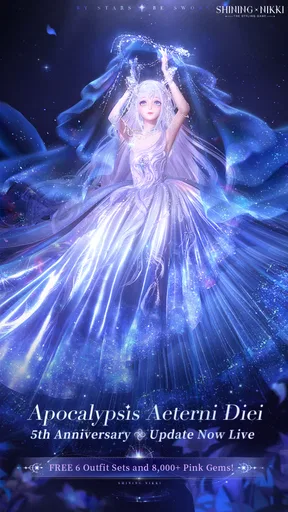
- Stunning 3D visuals make outfits, fabrics, and character details look highly polished.
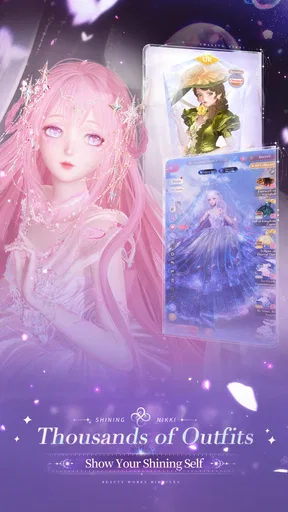
- Deep wardrobe customization lets you coordinate clothing, makeup, hairstyles, and accessories.
- Story chapters give the fashion challenges more purpose than simple dress-up sessions.
- Regular events introduce fresh outfits, rewards, and limited-time activities to explore.
- Photo tools allow creative poses, backgrounds, and filters for sharing stylish snapshots.
Limitations of Shining Nikki-Fashion Makeover
- Large updates and high-resolution assets can consume considerable device storage.
- Many premium outfits rely on gacha mechanics and may require substantial spending.
- Progress often depends on stamina, timers, and daily activities rather than free play.
- The complex menus and currencies can feel overwhelming for new players.
- Some older or less powerful phones may experience heat, lag, or reduced visual quality.
Similar Picks in This Category
View All
Hair Dye
CrazyLabs LTD4.4

Monster High™ Beauty Salon
CrazyLabs LTD4.5

Bus Simulator - Bus Games 3D
Jima Apps4.4

Flight Pilot: 3D Simulator
Wildlife Studios4.1


Super Stylist Fashion Makeover
CrazyLabs LTD4.4
Frequently Asked Questions
What is Shining Nikki-Fashion Makeover about?
Shining Nikki-Fashion Makeover is a 3D fashion role-playing game focused on styling, storytelling, and character customization. You help Nikki prepare outfits for different challenges while exploring a dramatic fantasy world through illustrated scenes, dialogue, and battles. Fashion choices are not only cosmetic, since clothing attributes and styling skills can affect your performance in competitions and story stages.
Is Shining Nikki-Fashion Makeover free to download and play?
Yes, the game can be downloaded for free on supported Android and iOS devices. However, it includes optional in-app purchases for premium currency, clothing items, resources, and promotional bundles. Progress is possible without spending money, but collecting top-tier outfits or advancing certain upgrades may require patience, regular participation, and careful use of the resources earned during normal gameplay.
Does the game require an internet connection?
Shining Nikki-Fashion Makeover generally requires an internet connection for account access, downloading game data, synchronizing progress, receiving events, and using many of its online features. A stable Wi-Fi connection is recommended, especially when installing updates or loading high-quality 3D assets. Players should not expect the full experience to be available offline while traveling or using limited mobile data.
What kind of gameplay and customization options are available?
The main gameplay combines fashion styling, story progression, character development, collection systems, and competitive challenges. Players can change Nikki’s clothing, accessories, hairstyle, makeup, and other appearance details to create themed looks. Outfits can also be upgraded and organized for different attributes, so success depends on both personal creativity and understanding which clothing combinations suit each stage or contest.
Is Shining Nikki-Fashion Makeover suitable for all players?
The game is a good choice for players who enjoy anime-inspired visuals, fashion design, collectible characters, and story-driven role-playing experiences. It is less suitable for people who dislike gacha mechanics, repeated event activities, energy systems, or frequent downloads. Because the game includes optional purchases and online social features, parents should review the store rating, spending controls, and device settings before allowing younger players to use it.
Play our best games!


